Shoe care guide – How to care for leather & suede shoes
Leather and suede shoes are a quality investment designed to last for many years.
With the right care, your shoes will retain their shape, colour and comfort for much longer.
Here, we share tips and advice on cleaning, waterproofing and maintenance.
Leather and suede – two materials with different needs
Leather and suede have the same origin but very different properties, which means they require different types of care.
Leather has a dense, treated surface that withstands moisture and wear relatively well, while suede has an open fibre structure that is more sensitive to water and stains.
Leather should be conditioned and protected regularly, while suede should be kept dry and well ventilated.
Understanding the difference makes caring for your shoes easier and helps them last longer, whether you own a pair of sneakers or boots.
Leather
Leather is a natural, breathable material that moulds to your feet over time and develops a beautiful patina as it ages.
It is durable, relatively easy to clean and can be conditioned, moisturised and waterproofed to keep it soft and supple.
High quality leather – like in Björn Borg's sneakers and boots – is a robust choice for everyday wear and handles light rain and moisture well when properly cared for.
Leather is a material that needs regular maintenance to give the shoes a longer lifespan and avoid drying out or cracking.
Suede
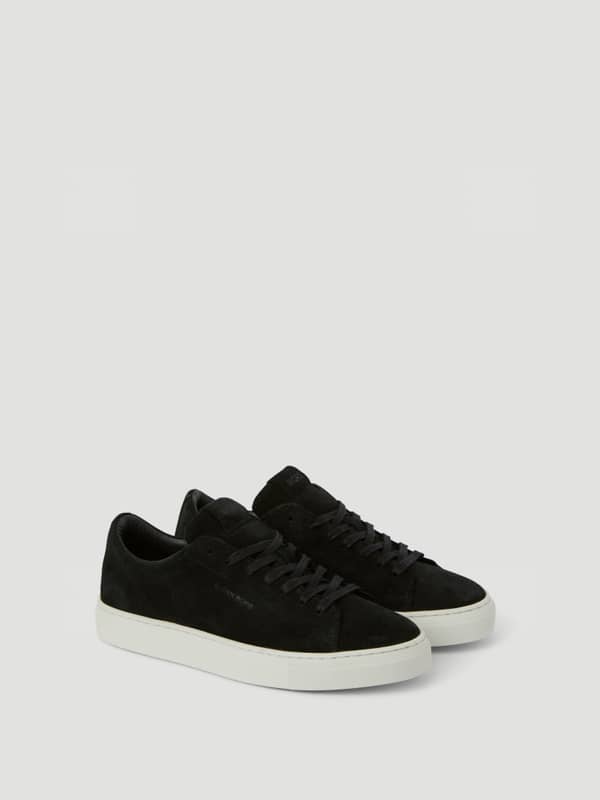
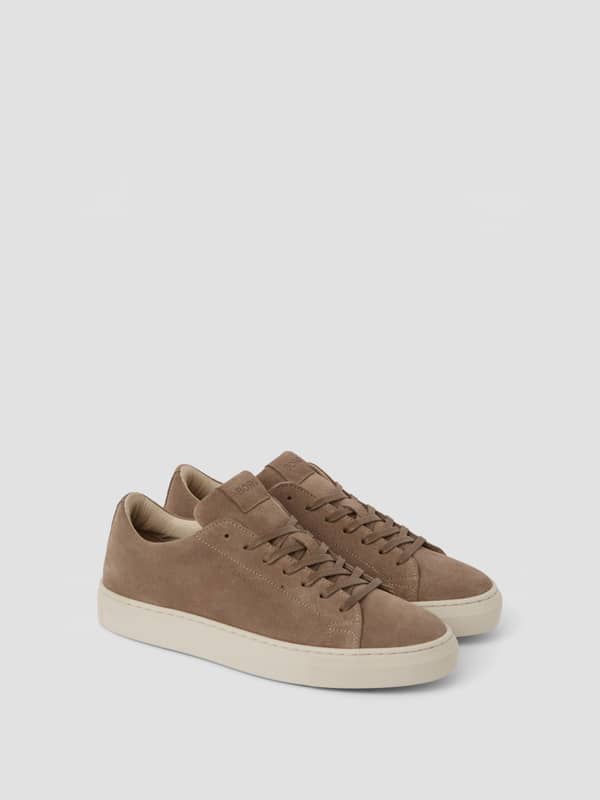
Suede is leather that has been treated so that the soft, fuzzy underside of the hide faces outwards.
This creates a premium, matte finish with a rich texture, but it also makes the material more sensitive to moisture, stains and wear.
Suede can retain marks from water or dirt if it is not treated correctly, making preventive protection especially important. With the right brush and waterproofing treatment, however, suede can last just as long as smooth leather.
Let’s begin by looking at how to protect your shoes before you even wear them.
Sneakers & boots for men & women
Protect your new shoes before wearing them
Your new shoes have arrived and you’ve opened the box – naturally, you want to put them on and head outside straight away.
However, the first treatment is important, as shoe protection works best as a preventive measure.
Make sure you prepare your shoes and create a protective barrier before wearing them.
Tips for taking care of your new shoes:
Start by checking that the shoes are completely dry and clean.
Waterproof them straight away. An additional protective layer makes a significant difference to how well they resist water and dirt from day one.
If you have bought suede shoes, it pays to be a little more generous: apply two to three thin coats of waterproofing spray, allowing at least 24 hours of drying time between each coat.
This provides much better and longer-lasting protection than one thick coat.Leather shoes can usually be protected effectively with one carefully applied coat.
Try to rotate between several pairs of shoes. Both leather and suede benefit from being allowed to rest and breathe between wears.
















FAQ about caring for leather and suede shoes
A good rule of thumb is every four to six weeks with regular wear, as well as immediately after a thorough cleaning, since cleaning removes the previous protective layer.
No. Leather and suede require different products. Leather cleaner and leather cream can discolour or flatten the nap of suede, while suede products do not provide sufficient protection or shine for smooth leather. Always check that the product is intended for your shoe’s specific material before using it.
No, this should be avoided entirely. Both materials are sensitive to water and can lose their shape, colour and texture in a washing machine. Leather can dry out and become stiff, while suede may become permanently stained or dull. Always clean your shoes by hand using products specifically designed for each material.
Air your shoes thoroughly between wears and allow them to dry completely before wearing them again. Moisture is the most common cause of odours, particularly in frequently worn sneakers.
A standard shoe deodorant spray is suitable for leather sneakers.
However, avoid spraying products inside suede boots, as the moisture may seep through and discolour or stain the suede on the outside.
Instead, use dry alternatives such as cedar shoe fresheners, odour-absorbing bags or moisture-absorbing insoles, which eliminate odours without adding moisture.
Use a soft brush to remove loose dirt before applying moisture or cleaning products. Always choose products specifically formulated for the material – leather cleaner for leather and suede products for suede.
If you are unsure how a new product will react, test it on a small, hidden area first. Then allow the shoes to air-dry at room temperature.







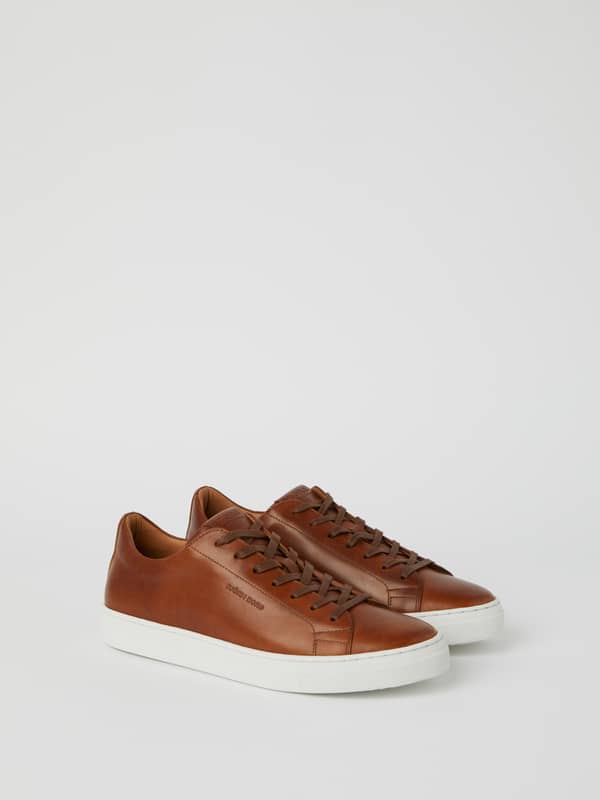
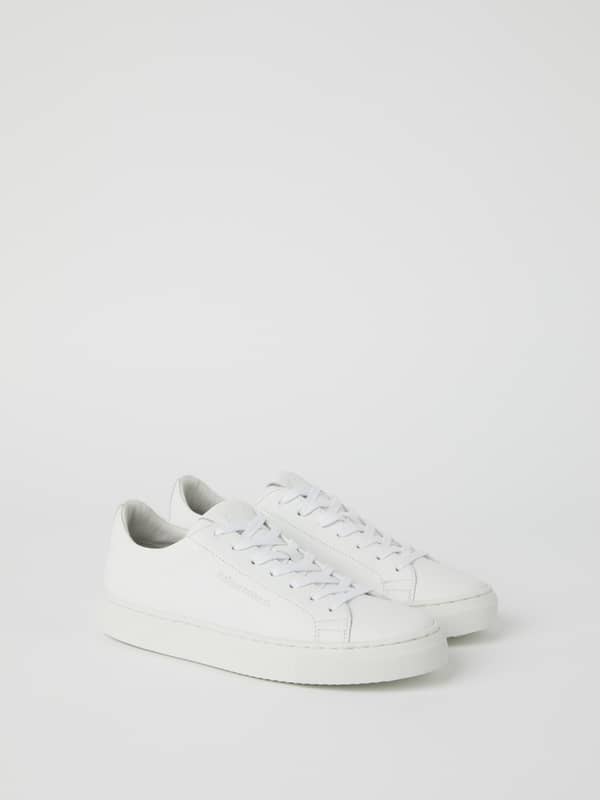





Brush away loose dirt using a soft shoe brush or cloth.
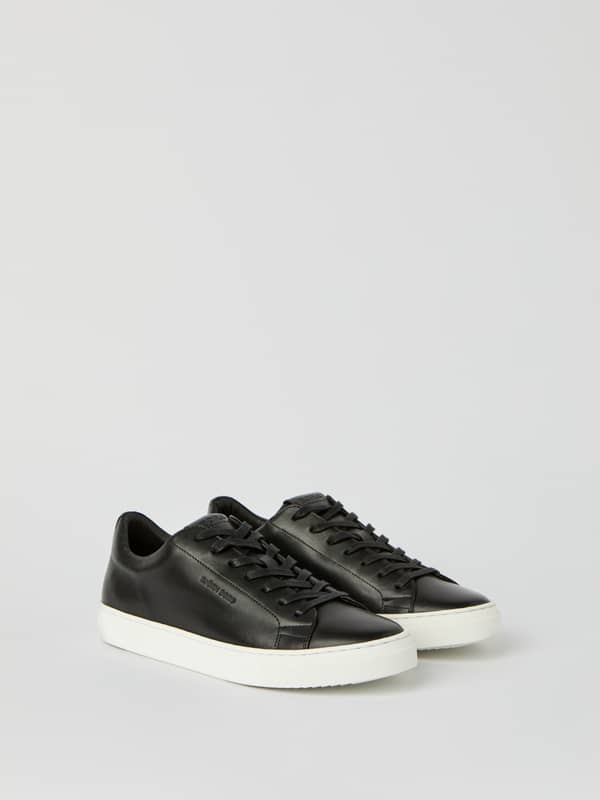
Lightly dampen a soft cloth with lukewarm water and a mild leather cleaner.
Wipe the shoe using circular motions without soaking the leather.
Allow the shoes to dry naturally, preferably with shoe trees inside to help maintain their shape.
Apply leather cream or leather conditioner with a clean cloth. This moisturises the leather and helps prevent it from drying out.
Buff lightly with a clean, soft cloth for an even, refreshed finish. Sneakers and boots should look well cared for rather than highly polished, so a light buff is enough.
Finish with a waterproofing treatment to protect the shoes against future moisture and stains.
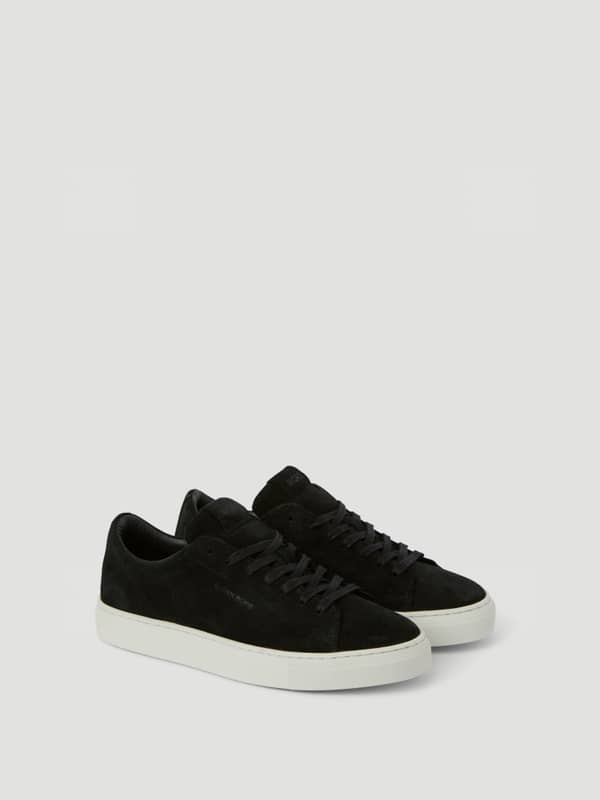
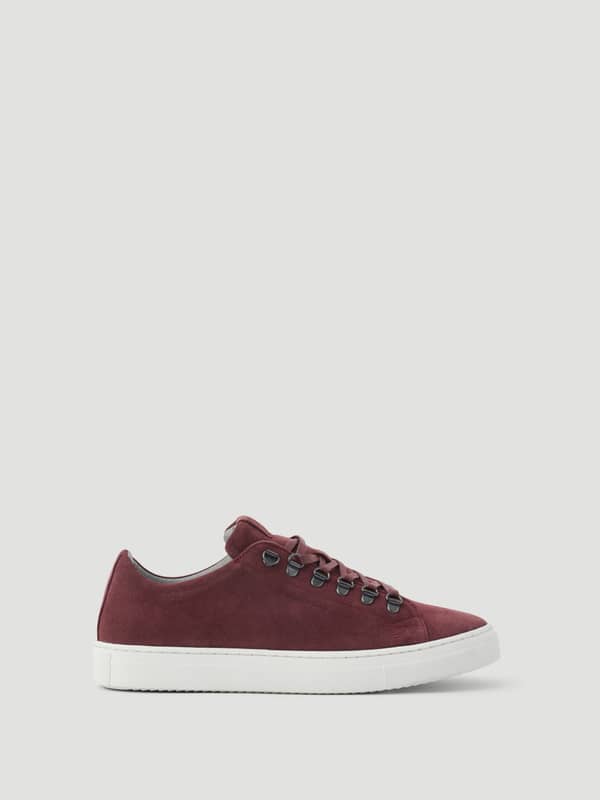
Brush the shoes while they're dry using a suede or nubuck brush, preferably one with brass bristles on one side.
Brush in the same direction as the nap to avoid leaving unsightly marks.
Treat surface stains while the suede is still dry. Gently rub the area with the brush or a suede eraser – this is often enough to remove the stain without using moisture.
Clean stubborn stains with a suede shampoo or specialist cleaner designed for the material.
Apply it sparingly using a soft cloth or sponge, working directly on the stain instead of wetting the entire shoe.
For grease stains, sprinkle a thin layer of white chalk powder or baking soda over the stain.
Leave it to absorb the grease for an hour, then brush it away.
Allow the shoes to dry naturally. Once dry, brush them again gently to lift the nap and restore the texture.
Finish by applying a fresh coat of suede protector for continued protection.